YXPG-1200 Profile Polishing Machine
The YXPG-1200 Profile Polishing Machine delivers a smooth, high-gloss finish on ceramic and stone edges. Progressive abrasives across multiple polishing heads ensure consistent surface quality while cutting manual labor. 78% of polishing defects are preventable with the right machine and maintenance routine.
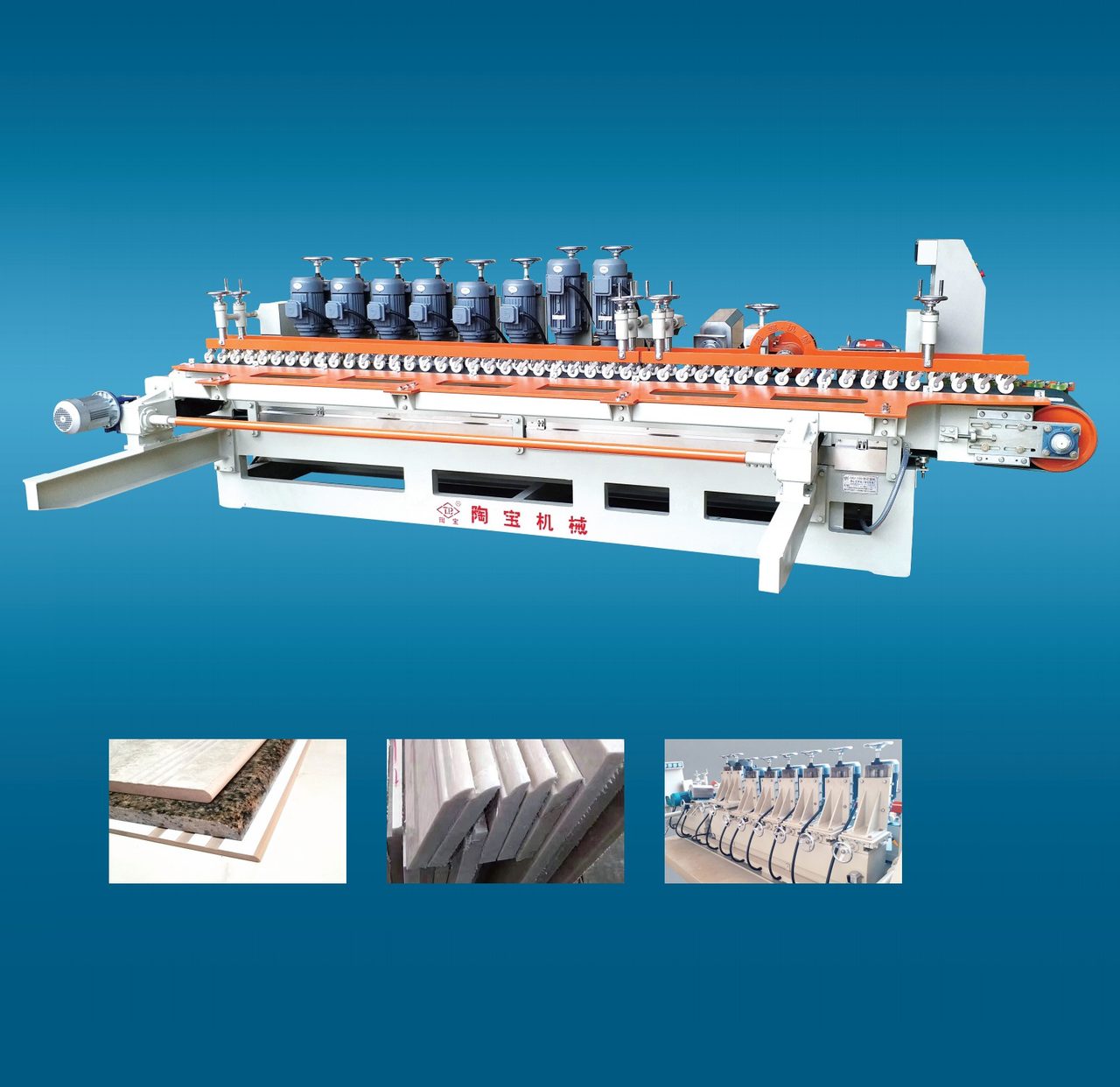
Key Features
Precision Cutting
Engineered for clean edges with minimal chipping on ceramic, porcelain and stone.
Built to Last
Rigid frame and oil-lubricated spindles with external water cooling for long service life.
Automation Ready
Reduces manual labor and improves yield for continuous production environments.
Global Support
CE-aware build, English documentation and remote technical support for overseas buyers.
Applications
Frequently Asked Questions
How to maintain tile line polishing machines?
78% of polishing machine failures are preventable with proper maintenance. Neglect costs an average of $50,000/year in downtime.
Core Maintenance Philosophy (3 Pillars): 1. Prevention: Regular scheduled maintenance before failures occur 2. Prediction: Vibration analysis, temperature monitoring, oil analysis 3. Precision: Torque specifications, calibration procedures, OEM-quality parts
Daily Checks:
- Polish pad condition and wear pattern (replace at 75% original thickness)
- Water flow rate and distribution
- Abnormal vibration or noise
- Conveyor belt alignment
Weekly Assessment (2-3 hours):
- Motor temperature measurement
- Belt tension verification (use tension meter, not visual)
- Calibration setting verification
- Thermal imaging for bearing temperature
Component Replacement Intervals:
| Component | Check Frequency | Replacement Criteria |
|---|---|---|
| Polish pads | Daily | 75% of original thickness |
| Drive belts | Weekly | >10% stretch or visible cracking |
| Water filters | Monthly | >50% flow reduction |
| Bearings | 2,000 hours | Temperature rise >20°F |
ROI: Every $1 spent on preventive maintenance saves $3-5 in emergency repair costs and production losses. Equipment lifespan extends 40-60%.
What is the daily and weekly maintenance checklist for a bridge saw?
Daily Maintenance (Every 8 Hours):
- [ ] Check coolant and nozzle flow to blade
- [ ] Inspect blade appearance for wear/damage
- [ ] Flush worktable and rails of stone dust
- [ ] Check water pressure
- [ ] Verify laser guide alignment
- [ ] Clean machine surfaces
Weekly Maintenance (Every 40 Hours):
- [ ] Clean Y-axis rollers and guide rails
- [ ] Lubricate X-axis rack
- [ ] Check all hose connections for cracks/leaks
- [ ] Verify water pressure at standard levels
- [ ] Check belt tension with tension meter
- [ ] Measure motor temperature
Monthly Maintenance (Every 120 Hours):
- [ ] Full alignment calibration check
- [ ] Clean Z-axis guide rails
- [ ] Lubricate all bearings
- [ ] Replace 50μm water filter
- [ ] Inspect electrical cabinet
- [ ] Deep clean including partial disassembly
Quarterly Maintenance:
- [ ] Table flatness check (straightedge + feeler gauges)
- [ ] Full calibration test cut
- [ ] Belt replacement if >10% stretched
Cost Impact: Unplanned downtime averages $1,500/hour; 42% of stoppages are equipment failure; manufacturers face ~800 hours of unplanned downtime annually. Prevention costs 15-20% of total maintenance budget but prevents 70-80% of potential failures.
How to calibrate a bridge saw for square and accurate cuts?
Bridge saw calibration requires systematic checking of three areas:
1. Fence Squareness (check after every blade change + weekly)
- Place a machinist's square against the fence and blade face
- Adjust fence pivot bolts until the square contacts blade along its full length
- Make test cut and measure both ends with calipers — they must be identical
2. Blade Vertical Tilt (check weekly)
- Use digital angle gauge on table surface next to blade
- Verify 90° angle; adjust tilt mechanism if off
3. Rail Straightness & Parallelism (check monthly)
- Use precision straightedge along each rail to detect bow/twist
- Measure rail height from table at multiple points on both rails
- Adjust mounting bolts per manufacturer's manual
Pro Tip: Always verify calibration with a test cut on scrap material. Park Industries specifies alignment tolerance of ±0.005 inches.
What safety standards and PPE are required for tile cutting machine operation?
Essential Safety Requirements:
Personal Protective Equipment (PPE):
- Safety glasses with side shields (mandatory)
- Hearing protection (prolonged exposure to >85dB)
- Dust mask/respirator (especially for dry cutting — NIOSH N95 minimum)
- Steel-toe boots
- Close-fitting work clothing (no loose sleeves, jewelry)
- Cut-resistant gloves (for material handling)
Machine Safety Features:
- Blade guard in place at all times during operation
- Emergency stop button accessible from operating position
- Lockout/Tagout (LOTO) procedure for maintenance
- Water cooling system functional for wet cutting
- Anti-splash design to contain slurry
Workspace Safety:
- Adequate ventilation and dust collection system
- Non-slip flooring around machine (wet area)
- Proper electrical grounding (3-phase equipment)
- Clear work area — no trip hazards
- Slurry management and proper disposal
Operator Training Requirements:
- Read complete user manual before operation
- Understand emergency shutdown procedures
- Know blade specifications and proper mounting
- Training in identifying abnormal sounds/vibrations
Related Polishing Machines Models
Request a Quote for YXPG-1200 Profile Polishing Machine
Send us your material type, size and target output — we reply within 24h.
Get a Quote